Past event · AI for Good New Zealand

AI for Good - Wellington

The first event in the AI for Good Wellington series. Three talks across Business, Practice, and Society, a panel, and a packed room at The ATOM.

Thursday 14 May 2026 The ATOM, VUW 5:15pm - 7:30pm

This event has ended. The talk recordings are available below.

See upcoming events →

Recap

How it went

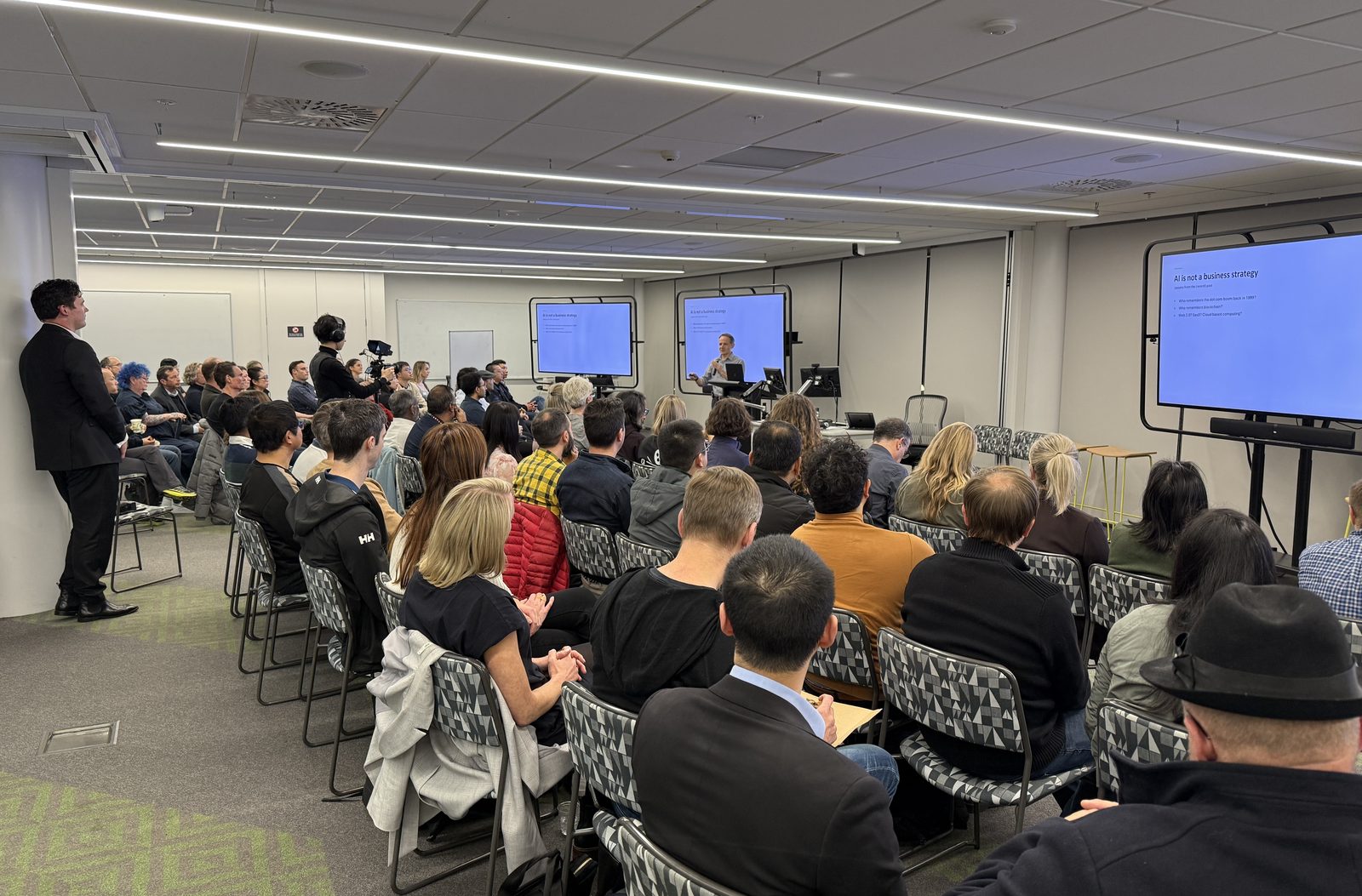
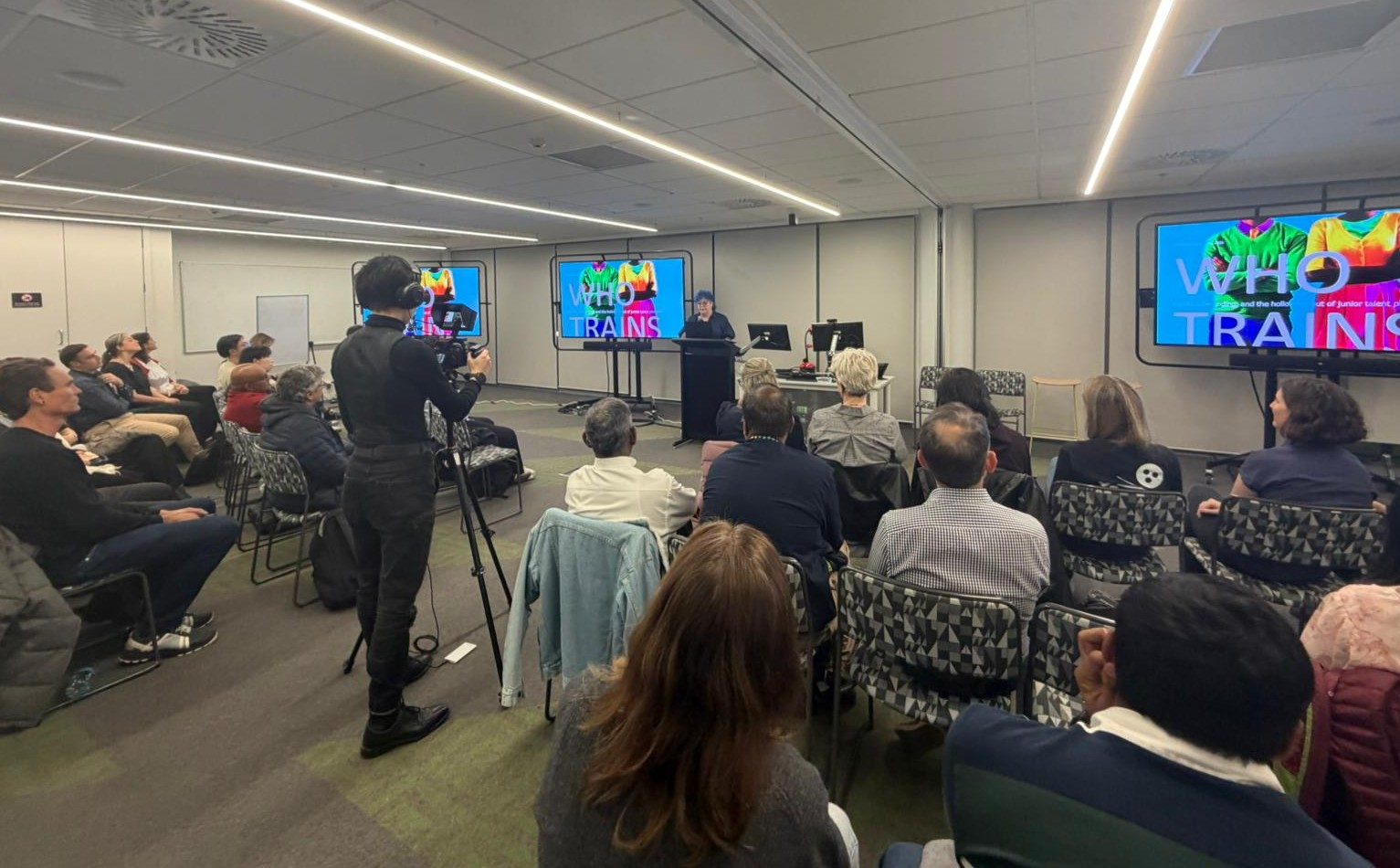
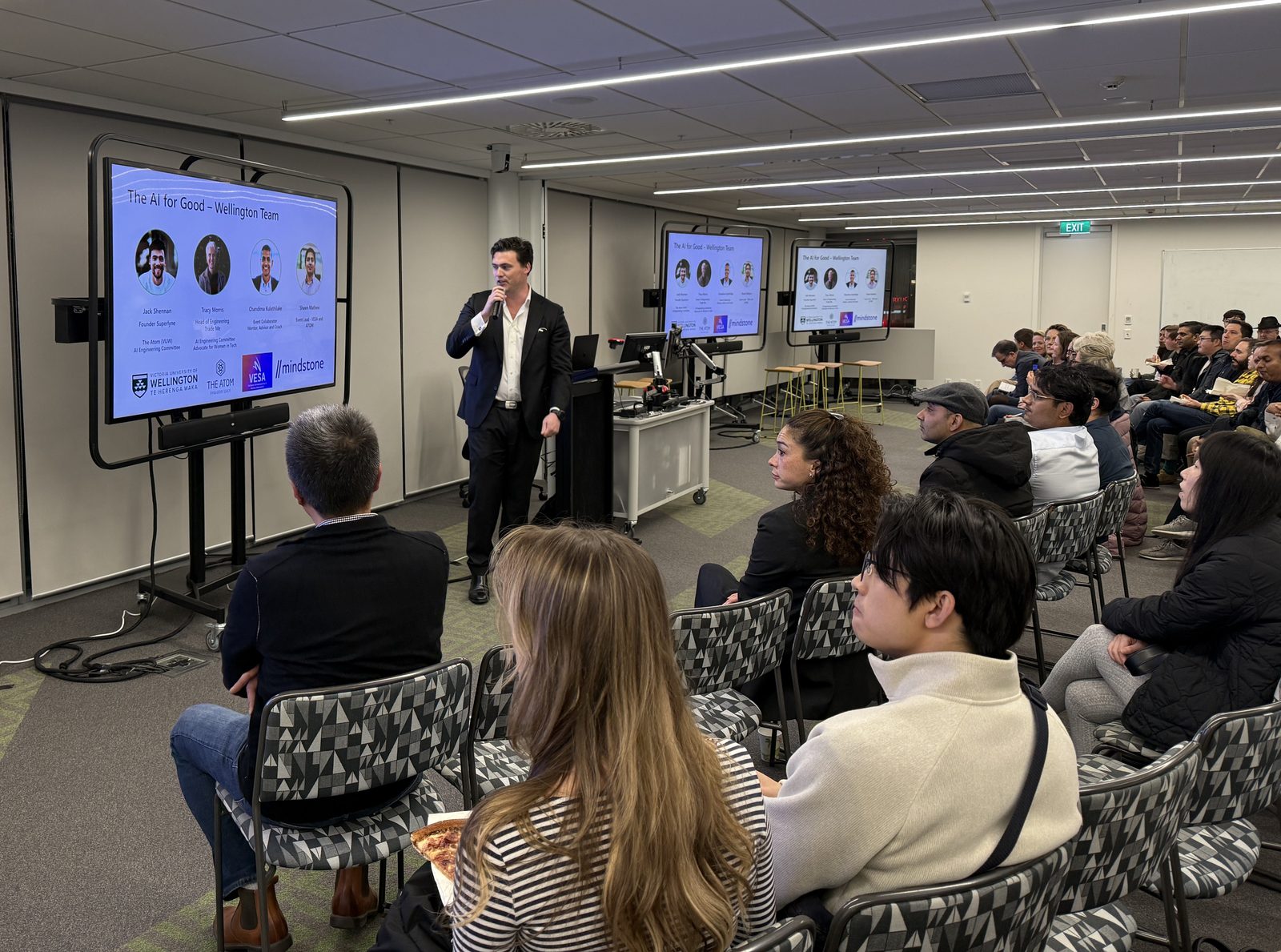
The first AI for Good Wellington event happened on the evening of 14 May 2026 at The ATOM, Victoria University of Wellington. A great bunch of people showed up - founders, engineers, public servants, students, leaders, and curious newcomers.

Martin Kay opened with a reminder that AI is not a business strategy - it's a technology to put to work behind one. Michelle Burke raised the question that's been hardest to shake since: if AI removes the imperfect work that built juniors into seniors, who trains the future experts? Bogdan State closed the talks with a year of working alongside an AI coding assistant - useful, exotic, and not what most people think it is.

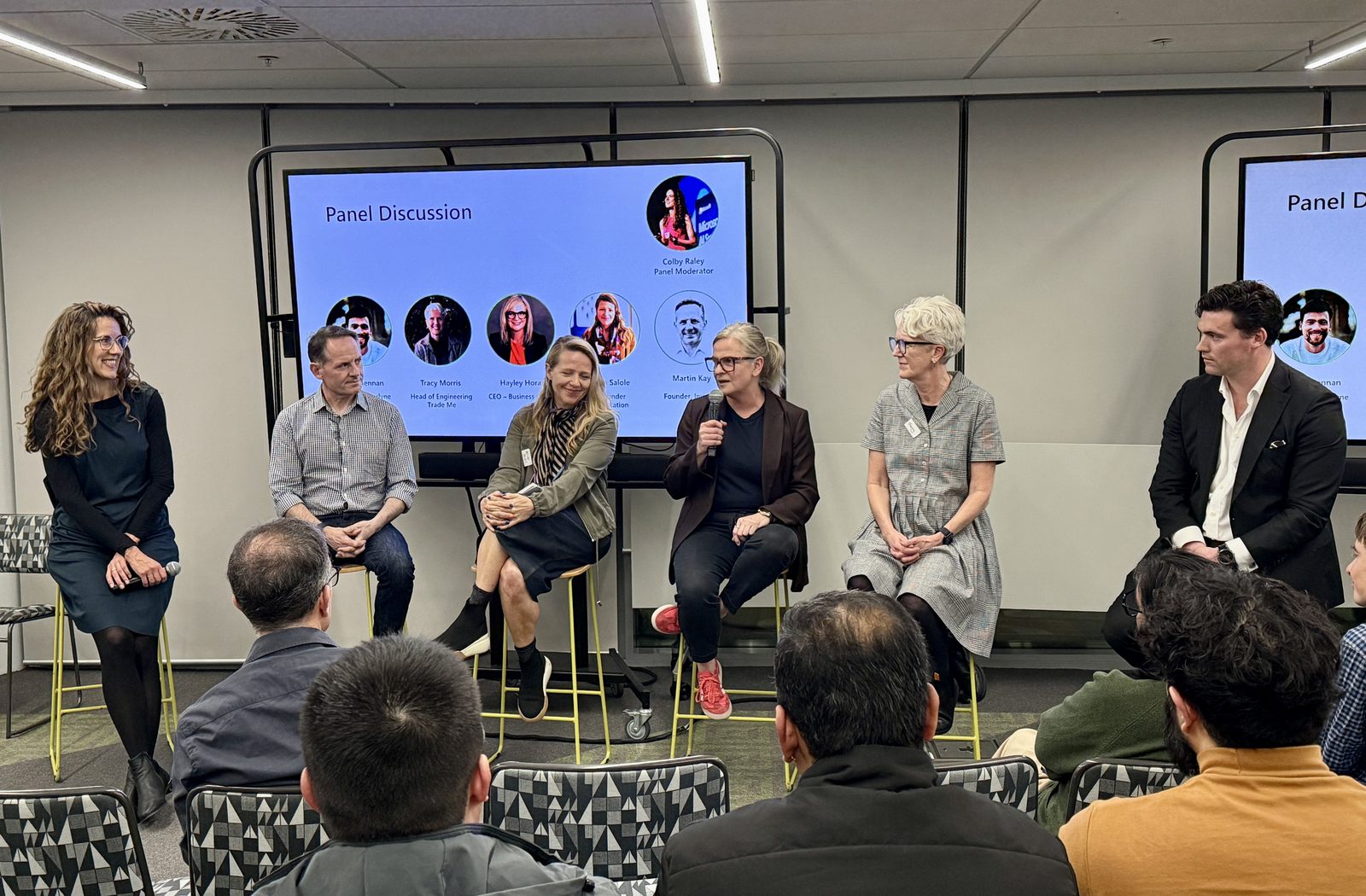
Then Colby Raley ran a panel with Jack Shennan, Tracy Morris, Hayley Horan, Megan Salole and Martin. Smart, generous, willing to disagree. The kind of conversation that's actually useful.

Thanks to everyone who came along, asked sharp questions, and stayed for the networking. The full talks are below, hosted on Mindstone.

Watch

The talks

Three talks, three angles on the same shift. Each was recorded and is available on Mindstone (a free account may be required to watch).

AI in Business

AI is not a Business Strategy

Martin Kay

Martin Kay has watched the same pattern repeat for decades: a new technology arrives, and suddenly every pitch, board paper and strategy deck is rebuilt around it. Dot-com, then blockchain, then web 2.0, now AI. His argument is simple and easy to forget in the excitement. AI is a technology you put to work behind a business strategy. It is not the strategy itself.

Drawing on his experience as a founder and startup mentor, he made the case for starting with the fundamentals. Know what your business is actually for, how it creates value, and where its advantage lies, then ask where AI strengthens that. He cautioned against leading with the tool, returning to a sequence that is easy to invert: people first, then the processes they run, and only then the technology to support them. Automating a weak process, he noted, just makes a bad outcome arrive faster. His preferred framing for AI is a force multiplier for a capable team rather than a reason to shrink one.
Watch the recording on Mindstone →

AI and Society

Who Trains the Experts?

Michelle Burke

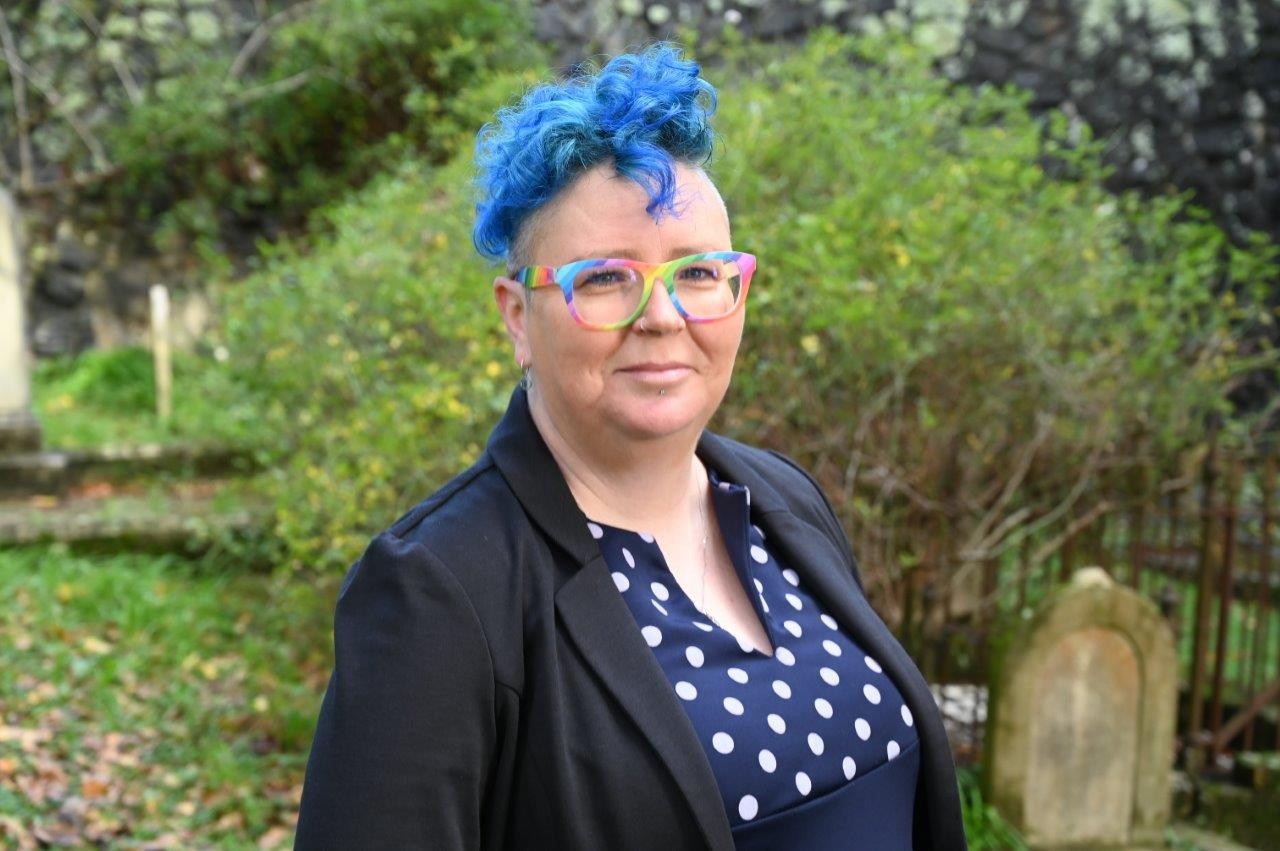
Michelle Burke, who has spent her career in data and the public sector, put a question on the table that is hard to set down. Expertise is built by doing imperfect work. Juniors learn judgment by handling the routine, error-prone tasks that seniors have moved beyond. If AI now absorbs exactly that layer of work, where does the next generation of experts come from?

Her concern was not that AI is harmful, but that the pathways which produce real expertise are quietly being removed. She framed it as a set of deliberate choices for organisations and government rather than an answer she claims to hold: whether to keep creating junior roles, how to design AI to augment rather than replace, and how to train the judgment that any meaningful human-in-the-loop review depends on. Every profession, she reminded the room, relies on a generation that learned by doing the work. Remove the work, and we need a new way to build the experts.

Watch the recording on Mindstone →

AI in Practice

My Year with an AI Assistant

Bogdan State

Bogdan State brought the view from inside the work: a long career writing software, and a year spent building alongside an AI coding assistant. His account was refreshingly grounded. The tools are genuinely useful, but the experience is more exotic and more demanding than the headlines suggest, and not what most people picture when they imagine AI writing code.

The harder parts of software, he argued, are not going away. Running systems in production, handling race conditions and deadlocks, recovering when things break, all still require people who have done the difficult work and understand it. If anything, more software shipped means more software to keep running. He closed with a plea worth carrying out of the room: as routine skills are automated, the durable ones become more valuable, and the so-called useless disciplines that teach critical thinking and creativity may be exactly where those skills are built.

Watch the recording on Mindstone →

Panel

Panel Discussion

Moderated by Colby Raley, with Jack Shennan, Martin Kay, Hayley Horan, Tracy Morris and Megan Salole

Five panellists took audience questions and pulled the three talks together, moving from business strategy to skills, society and the practical reality of building with AI today.

Watch the recording on Mindstone →

Photos

From the evening

AI for Good Wellington, 14 May 2026

Three tracks. Three perspectives.

Each talk was 15-20 minutes, followed by a panel with all speakers and open networking.

AI in Business

"Beyond the Pilot"

How organisations are moving AI from experiment to operations. Real stories from the ground - what worked, what didn't, what you'd do differently.

AI in Practice

"Building With AI"

The technical craft of putting AI to work. Architecture decisions, model selection, integration patterns, local vs cloud, open source vs proprietary.

AI and Society

"Getting It Right"

The impact AI is having on communities, education, public services, and people. Equity, access, bias, workforce transformation.

Lineup

Speakers

Three 15-20 minute talks across Business, Practice, and Society.

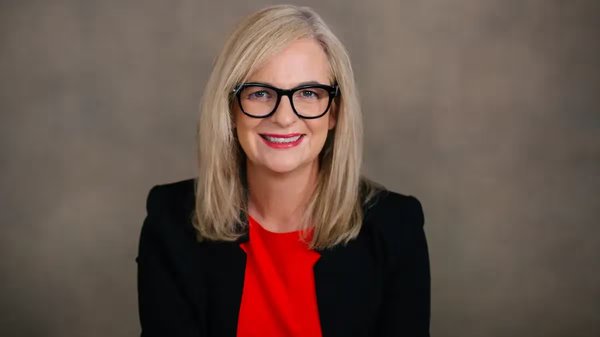
Martin Kay

Martin Kay

Founder and Investor

AI in Business

30 years as an entrepreneur and investor in early-stage NZ ventures. Worked and invested in Trade Me and Xero, founded Adminis. Brings unique insights and execution strategies for startups.

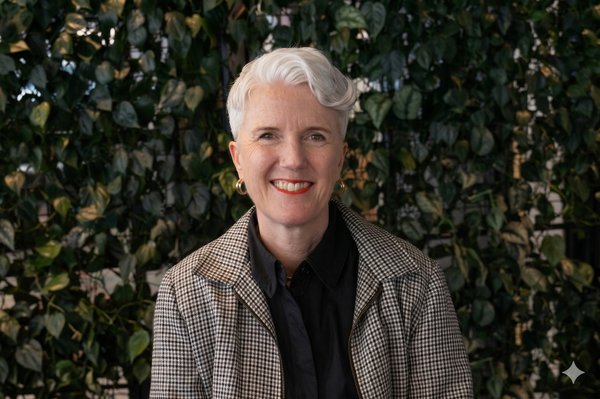
Michelle Burke

Michelle Burke

Principal Advisor, AI Strategy

AI and Society

Data and information leader focused on turning strategy into real-world impact. Led cloud analytics, governance, and award-winning transformation work at the Reserve Bank of New Zealand.

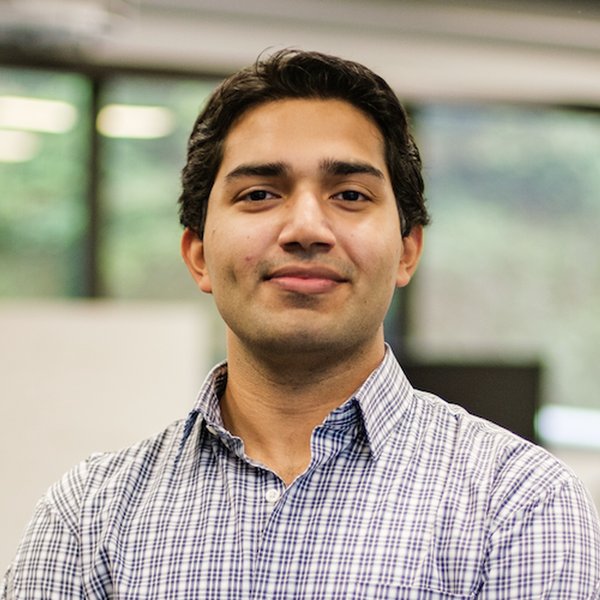
Bogdan State

Bogdan State

Lecturer, School of Information Management, VUW

AI in Practice

Computational social scientist building ML infrastructure and applied AI systems. Data Infrastructure Tech Lead at Vibrant Planet. Stanford PhD, ex-Facebook, 20+ publications and 14 patents.

Panel

A 20-minute moderated panel after the talks. Five panellists across business, engineering, civic, and applied AI perspectives.

Moderator

Colby Raley

Colby Raley

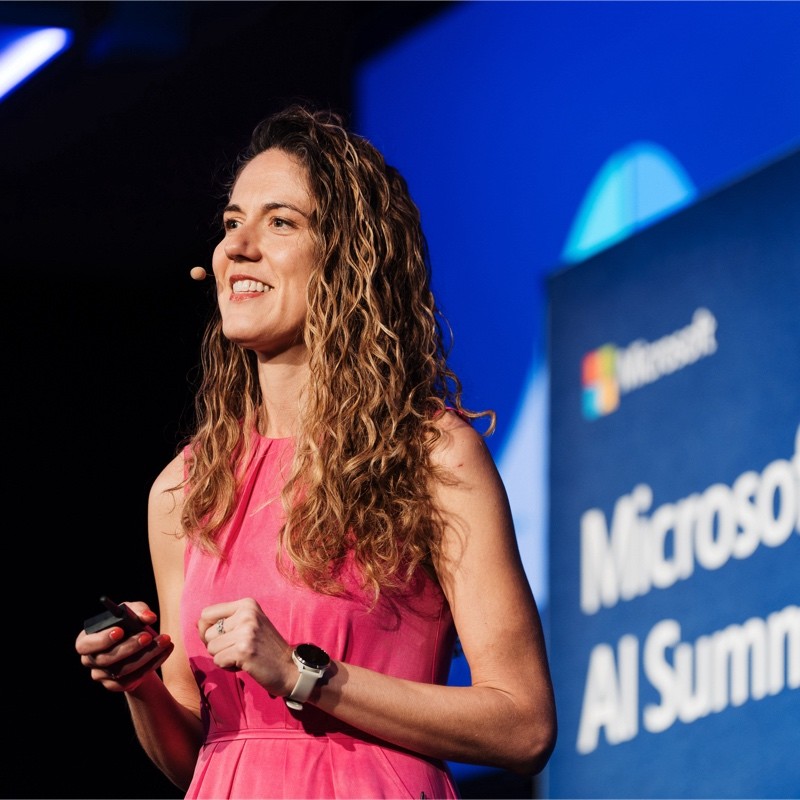
Strategist, Microsoft NZ Public Sector

Works across health, social services, and central government. Focuses on improving service delivery and organisational performance through digital transformation, strategic change, and the responsible adoption of AI.

Jack Shennan

Jack Shennan

Co-founder & Chief Economist, Shire

Leads customer functions at Shire. Among the first 0.1% of ChatGPT users; the team has been shipping applied AI in property due diligence, construction, and voice agents since before the LLM platforms were household names.

Martin Kay

Martin Kay

Founder and Investor

30 years as an entrepreneur and investor in startups and early-stage ventures. Worked and invested in some of New Zealand's most high-profile successes including Trade Me and Xero, and founded Adminis. Brings energy, unique insights, and execution strategies to startups.

Hayley Horan

Hayley Horan

CEO, Business Central & Wellington Chamber

Senior leadership background across Microsoft and NZTE, including former NZ Trade Commissioner to Singapore. Now focused on building connected and resilient regional economies in the lower North Island.

Tracy Morris

Tracy Morris

Head of Engineering, Trade Me

25+ years delivering digital products to millions of New Zealanders. Organiser of the Wellington AI Engineering Meetup and a 2024 Diversity Champion finalist. Advocate for responsible AI adoption and high-performance governance.

Megan Salole

Megan Salole

Narrative Strategist & Co-founder, ActionStation

Works at the intersection of systems change, narrative strategy, and civic imagination. On the core team of Parker for People, an AI tool deepening democratic engagement, and publishes The Hope Dispatch.

Venue and Logistics Partner

Shawn George Mathew

Shawn George Mathew

President, VESA - Victoria Entrepreneurship and Startup's Association

Leads the Victoria Entrepreneurship and Startup's Association (VESA) at Victoria University of Wellington and was the event's venue and logistics partner through The Atom - VUW's entrepreneur hub. VESA brings together students and the wider startup community through events, hackathons, and hands-on workshops, and has been instrumental in making The Atom available as a home for Wellington's AI community conversations.

Programme

5:15pm

Doors open

Networking, light refreshments

5:45pm

Welcome & introduction

AI for Good NZ and the meetup series

5:55pm

Speaker talks

Martin Kay, Michelle Burke, Bogdan State (15-20 min each + Q&A). MC: Jack Shennan.

6:55pm

Panel discussion

Jack Shennan, Martin Kay, Hayley Horan, Tracy Morris, Megan Salole. Moderated by Colby Raley.

7:10pm

Networking

Drinks, conversation, wrap-up by 7:30pm

Organised & supported by

Coming up

The next AI for Good Wellington

This is a quarterly series. Register your interest on Luma and we'll send the details for the next event as soon as the date is locked in.

Questions? Email hello@aiforgood.org.nz